Vicky's Notes · June 2026 · 6 min read
How to choose your Vicky Baey size
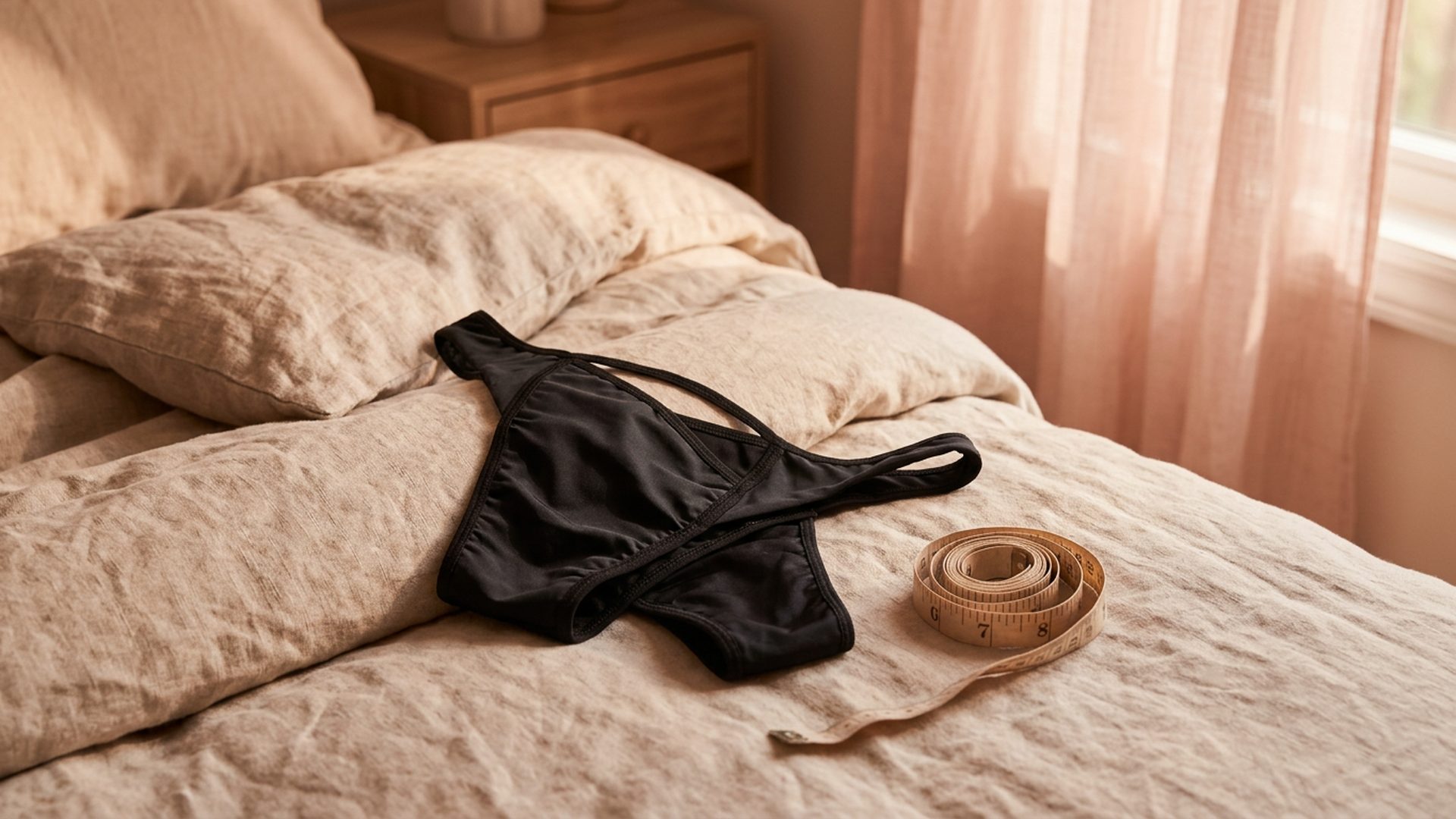
I wish sizing was just numbers. For me, it has almost always been a tiny negotiation between comfort, hold, flatness, and how much I want to think about my body that day.
Choosing the right tucking underwear size is not about sizing down as much as possible. The right fit should feel secure, supportive and comfortable enough to wear in real life — through a workday, a long tram ride, a dinner that runs late.
Why this is never just about size
For trans girls and transfeminine people, choosing a size is not just a number on a label. It is about feeling secure when you walk. Not adjusting yourself on the tram. Not running a quiet checklist in your head before a date, a meeting, a long evening, the bathroom mirror.
The goal is simple: feel held, then forget about it.
Is smaller better for tucking underwear?
No. This is the single most common sizing mistake, and it is an understandable one: if a little compression helps, more compression should help more. In practice it usually does the opposite.
Underwear that is too small stops working with your body and starts working against it. The waistband digs in. The fabric rolls at the edges instead of lying flat. The garment shifts as you move, so you end up adjusting more, not less — and a flat front that needs adjusting every hour is not really a flat front.
A size that fits your measurements gives the fabric enough surface to hold evenly. That even, distributed hold is what makes a tuck feel calm and stay put.
How to actually measure yourself
You need a soft tape, no shoes, and ideally a moment of peace, not the chaos of getting ready ten minutes before a tram. Measure two things:
1. Full hip at the widest point Keep the tape level and soft against the body. Not pulled tight, not loose. 2. High hip at the hip bone Measure where your hand naturally lands when you place it on your hip.
Then compare both numbers with the size chart further down this page. If your two measurements land in different sizes, follow your full hip measurement — that is the one carrying the fit.
| Size | Full hip | High hip |
|---|---|---|
| S | 90–95 cm | 82–87 cm |
| M | 95–100 cm | 87–92 cm |
| L | 100–107 cm | 92–99 cm |
What should the right fit feel like?
This is the part a chart cannot tell you, so here is the honest checklist we used in fittings. A well-sized Essential Tucking Thong should feel:
- Secure — it stays where you put it when you sit, stand, walk and climb stairs.
- Supportive — you feel gently held rather than gripped in one narrow line.
- Smooth at the front — smooth and even under clothes, with no ridge or pull.
- Comfortable enough for a whole normal day — not just for the first hour.
- Firm without being painful — noticeable support, never sharp pressure, pinching or numbness.
Firm is fine. Painful is information.
Should you size up or size down?
Most people land clearly inside one size. If your measurements sit between two, here is how we would think about it:
Choose the smaller size if you prefer a closer, firmer feel, your measurements are genuinely still within that size's range, and you like your underwear to feel held in place from morning to night.
Choose the larger size if you prioritise everyday comfort, if you have long sitting days, warm weather, or if you want a softer feel you can forget about.
Neither choice is more correct. Neither is more feminine. The right size is the one that gives your body the kind of comfort it needs that day. If you are truly torn and this is your first Vicky Baey piece, we would gently suggest the larger size — comfort is what makes you keep wearing it.
Signs your tucking underwear is too small
If you already own tucking underwear and it never feels quite right, these are the signals worth taking seriously:
- The waistband digs in or leaves deep marks.
- The fabric rolls, folds over, or cuts into the skin.
- Pressure feels painful rather than supportive.
- Discomfort starts early — within the first hour rather than at the end of a long day.
- Numbness, tingling, sharp pain or a feeling of excessive pressure.
- You are constantly readjusting.
- The garment shifts around instead of holding smoothly in place.
Why support is not the same as squeezing
Good tucking underwear does not get its hold from being smaller. It gets it from design: the shape of the front panel, the way the seams are placed, the width of the waistband, and a fabric with real recovery so it holds its shape all day instead of stretching out by lunchtime.
That is why we spent so long on the pattern rather than simply cutting things tighter — the story of that process is in designing comfort into the Essential Tucking Thong. If you are comparing options more broadly, tucking underwear versus gaffs and tape explains how these approaches differ in feel and in everyday use.
Please also take your own comfort seriously: tucking should never hurt, and no garment or size should be worn through pain. Rest when you need to.
A note on tucking, comfort and the body you have
Fit also depends on how you tuck, what gives you confidence, and how your body sits at the end of a long day. Some days you will want more hold. Some days you will want softer. That is allowed.
The Essential Tucking Thong was designed in Belgium, handmade in Portugal, and tested with 20 trans women across different body shapes, routines and tucking preferences. Every detail, from the fabric tension to the front support, was shaped around real bodies, not a single fit model. Andrea described what that felt like for her in the first thing I noticed was the absence of pain, and there are more notes like this one in the Stories journal.
Use the chart below as a starting point. Trust your sense of yourself for the rest. You usually know more than you guess.
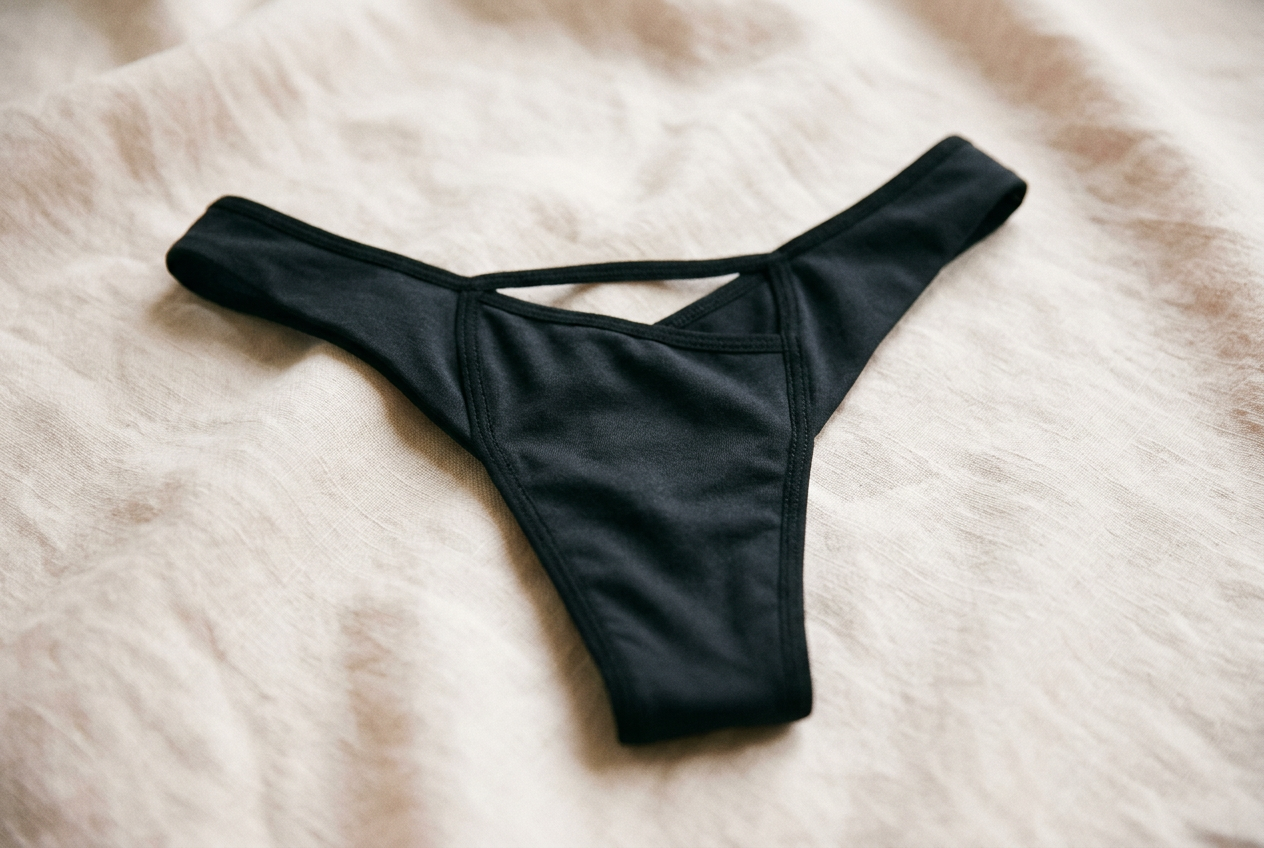
The Vicky Baey size chart
| Size | Full hip at widest point | High hip at hip bone |
|---|---|---|
| S | 90–95 cm | 82–87 cm |
| M | 95–100 cm | 87–92 cm |
| L | 100–107 cm | 92–99 cm |
Still unsure?
Write to us with your two measurements. A real person from our tiny team will help you choose.
Ask us about sizing →I hope this makes choosing feel a little easier, and a lot less lonely. Love, Vicky x
Find your fit
The Essential Tucking Thong is designed for soft support, a smoother front and everyday wear — without sizing down just to feel held.
Tucking underwear sizing questions
How tight should tucking underwear be?
Firm and even, never painful. You should feel held across the whole front panel rather than pinched in one line, and you should be able to wear it for a full day without numbness, sharp pressure or constant readjusting.
Should I size down for tucking underwear?
Usually not. Sizing down tends to make the fabric roll, dig and shift, which means more adjusting rather than a flatter front. Choose the size your measurements land in, and if you are between sizes and want everyday comfort, take the larger one.
Which measurement matters most?
Your full hip at the widest point. If your full hip and high hip land in different sizes, follow the full hip — it is the measurement carrying the fit.
What if I am between S and M, or M and L?
Both will work. Pick the smaller size for a firmer, closer feel if you are still inside its range, and the larger size if you prioritise comfort for long days, warm weather or your first time wearing tucking underwear.
Does the Essential Tucking Thong stretch out over time?
It is made from a recycled nylon blend chosen for recovery, so it returns to shape after wear. Washing cool and drying flat keeps that recovery for as long as possible.